
Debris is the largest, fastest-moving cost in most disasters. Our monitors document every load so the invoice survives review.
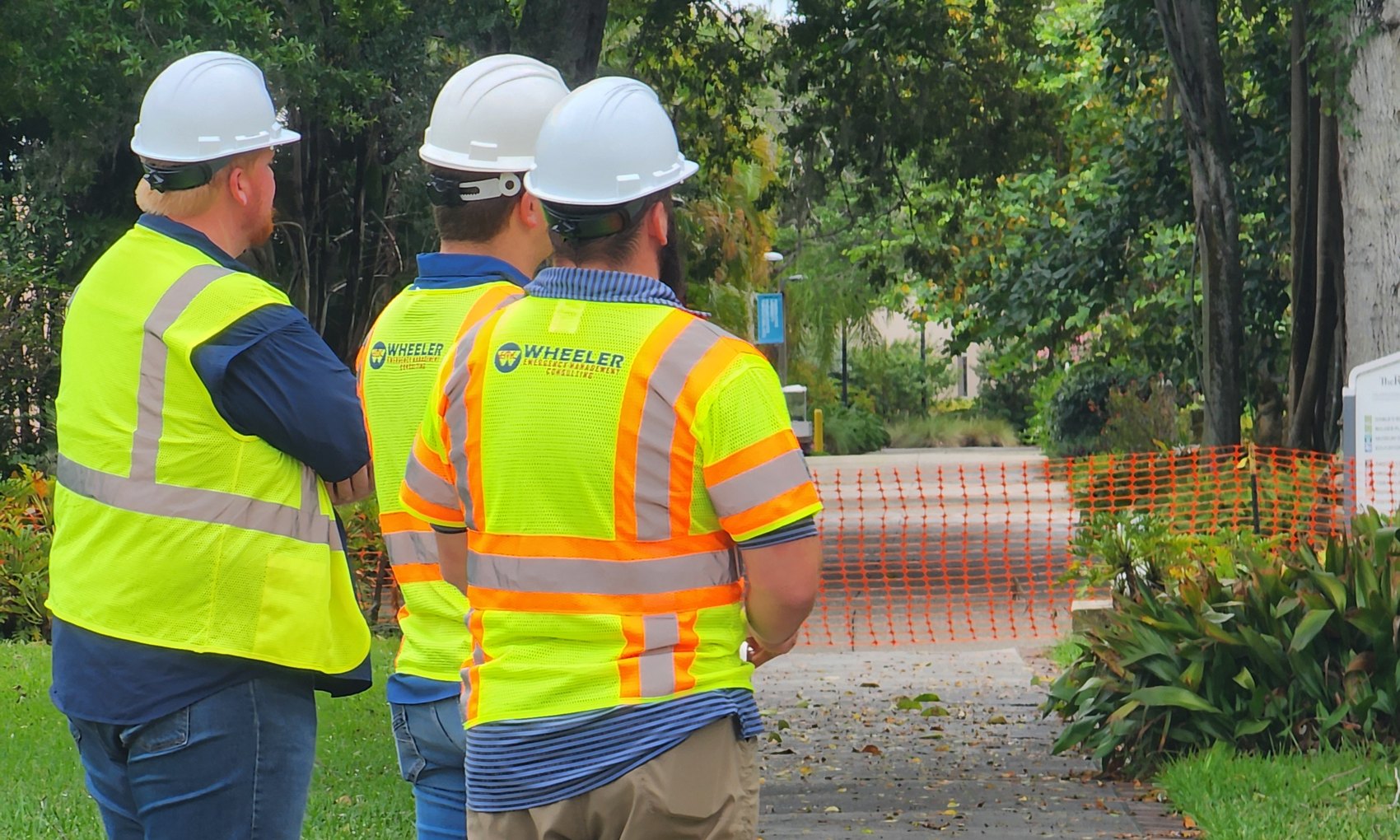
Monitors are the applicant's eyes in the field. They stand at the pickup and the drop-off and record what FEMA will ask about later: where the debris came from, what it was, how much there was, and where it went.
On the road, monitors check that trucks are measured, that every load is ticketed, and that only eligible debris is picked up. Hazardous trees, limbs and stumps get extra documentation. At the staging site they log loads in and out, watch reduction and final disposal, and photograph the work.
Behind the field work is the data. Every ticket is entered, matched to the contractor's invoice and reconciled by location and date, so the cost holds up on review. At closeout the applicant receives one organized package: tickets, photos and reconciliation, ready to support the reimbursement.
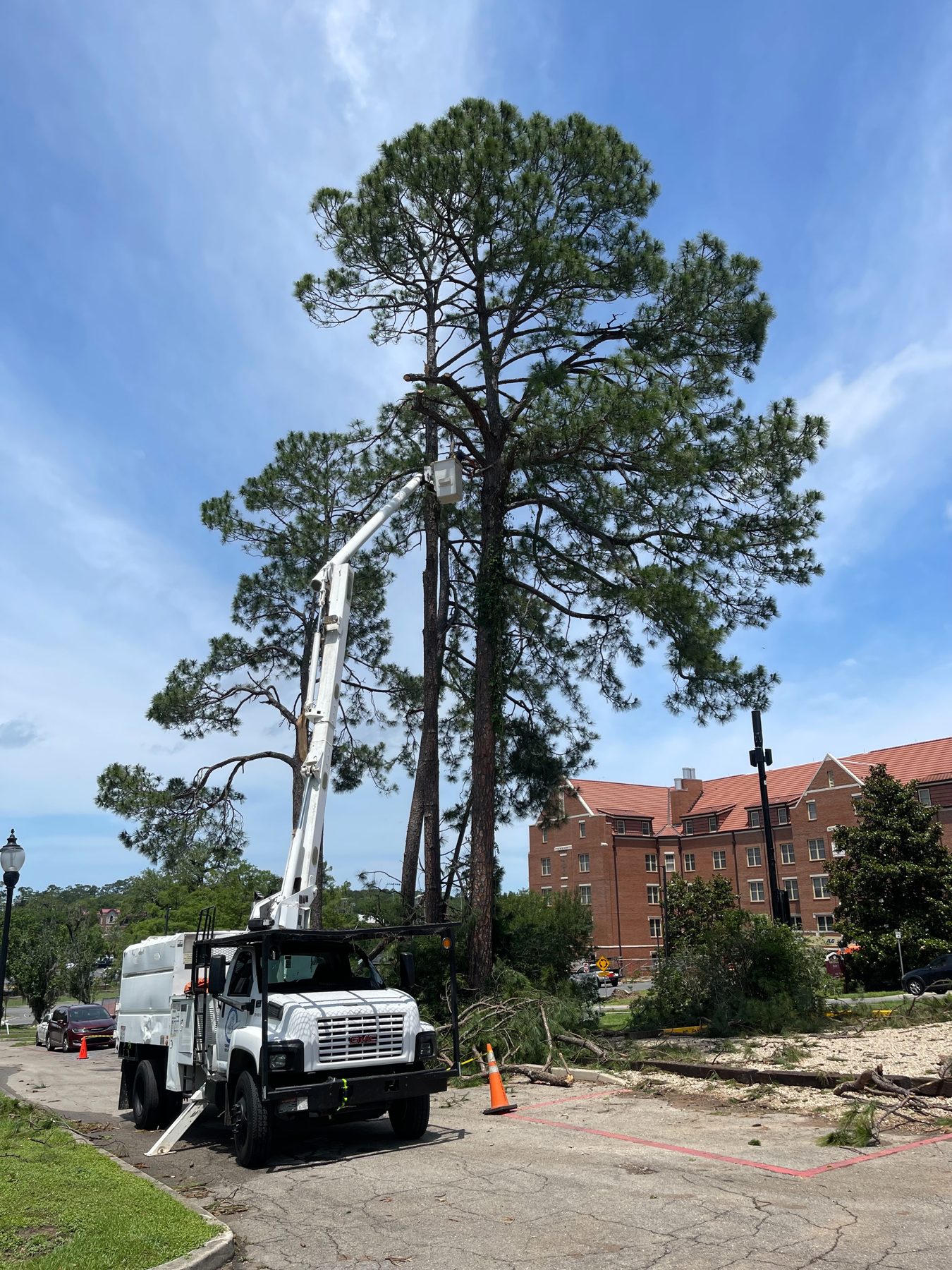
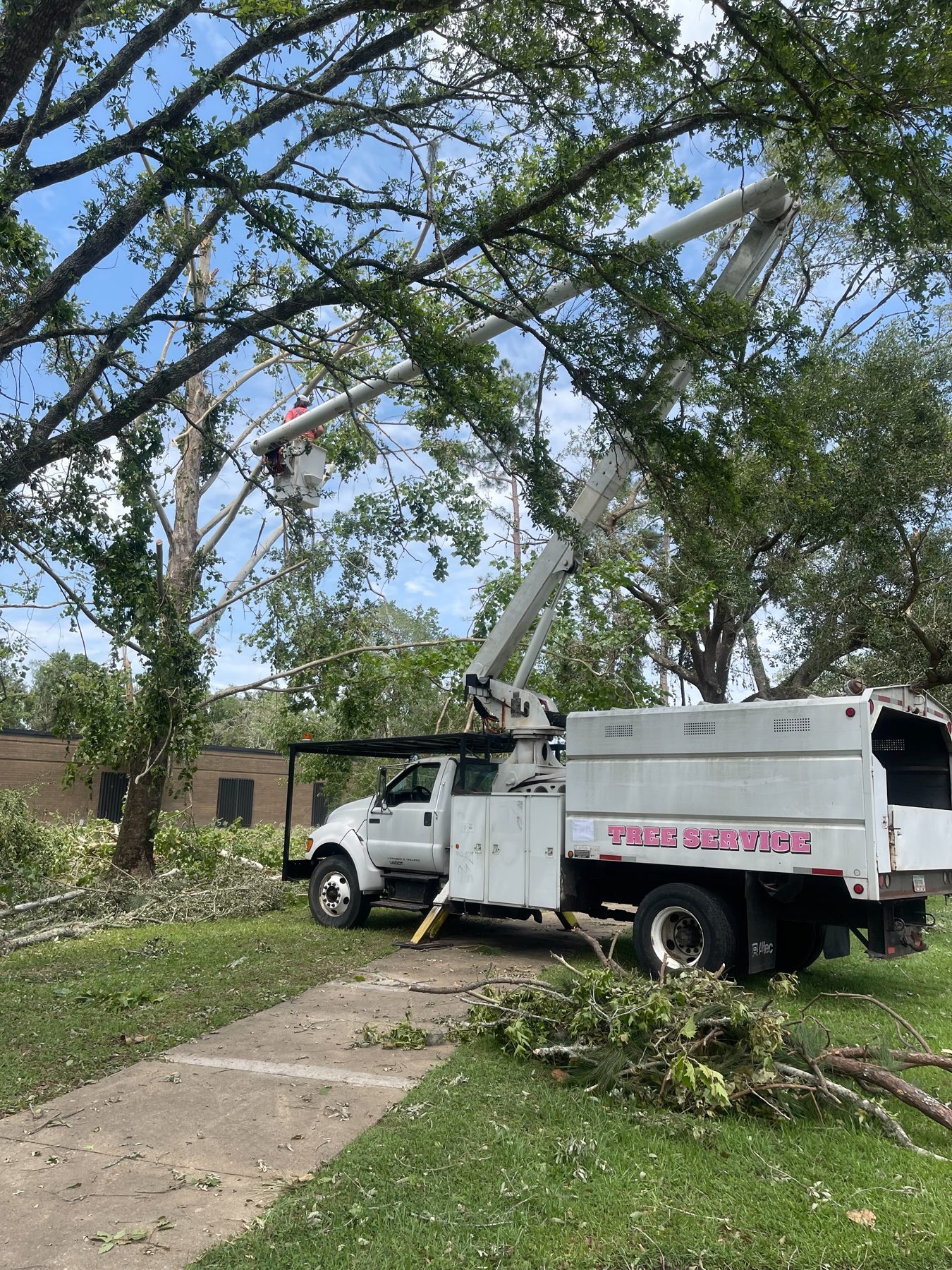
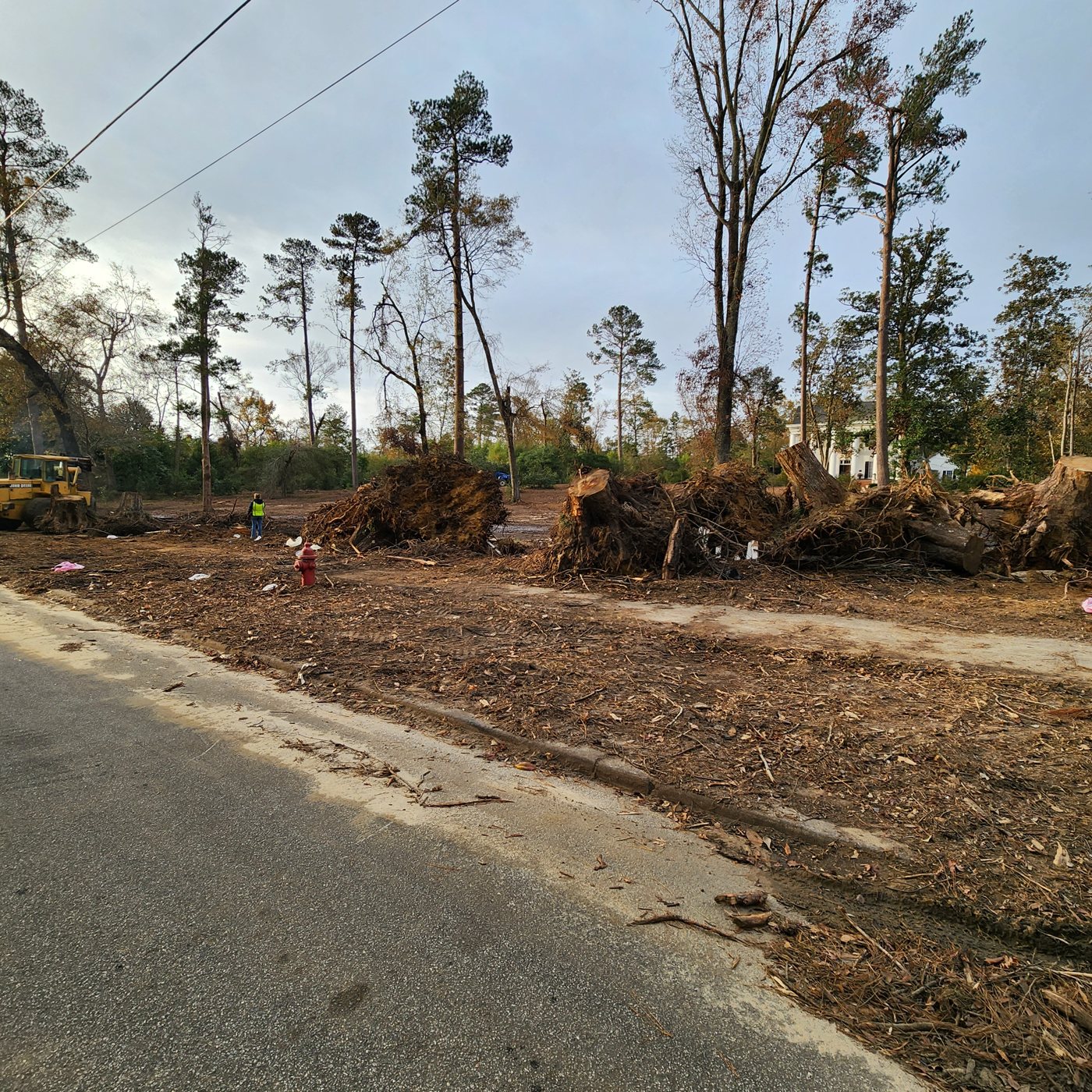
Crews take down storm-damaged trees while monitors log what comes down and where it goes.
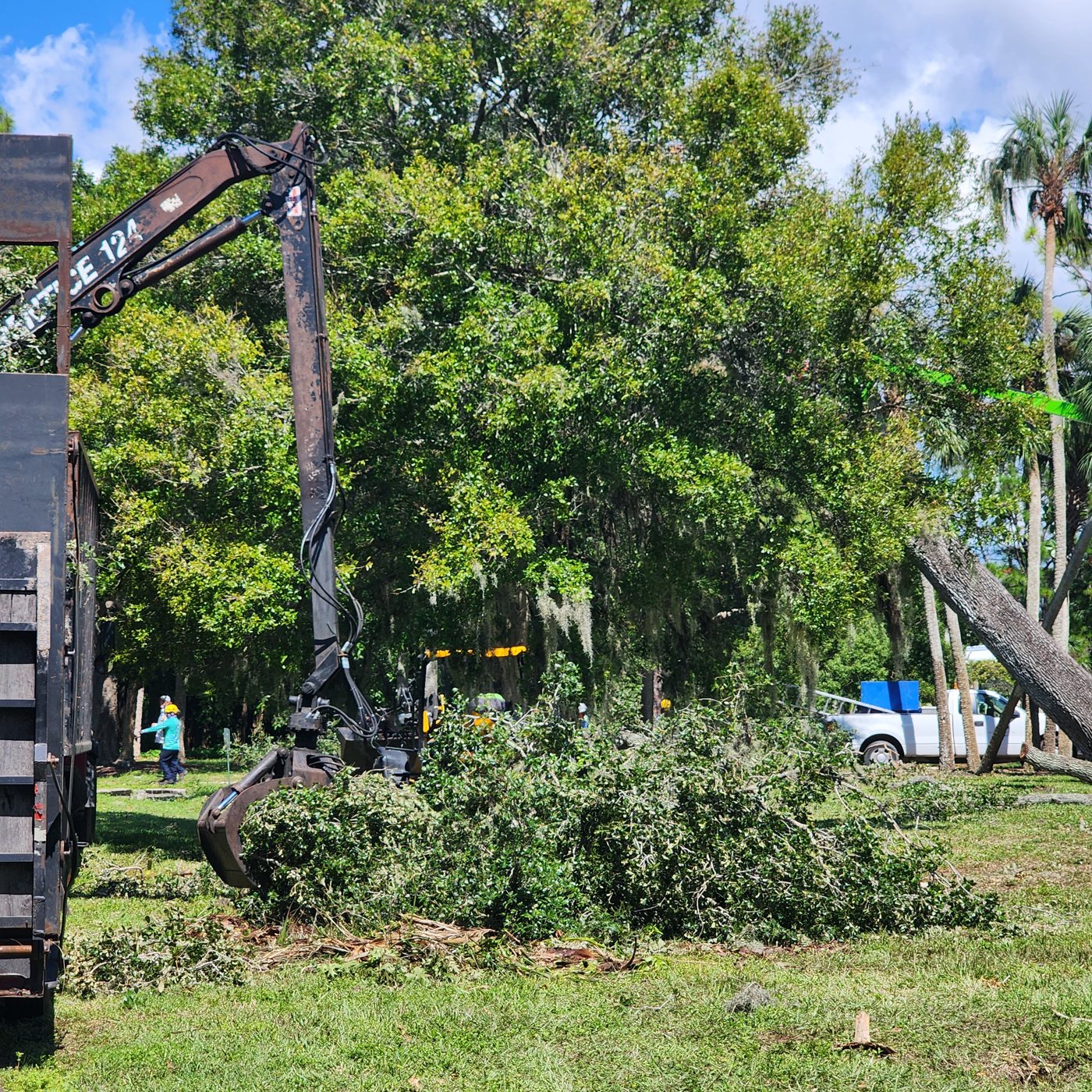
Cut limbs are staged, chipped and hauled. Every load gets a ticket tied to a location.
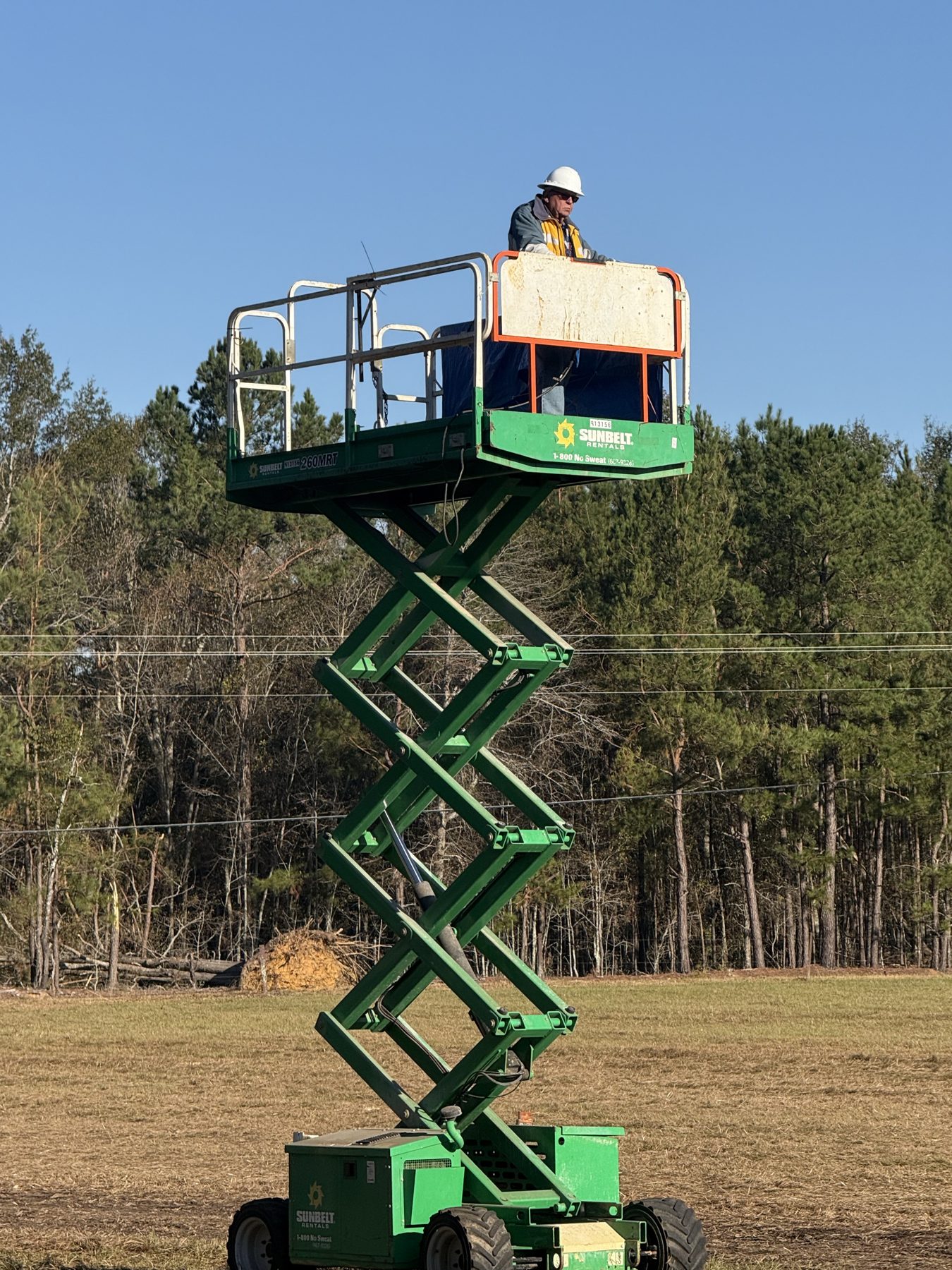
Monitors work from a lift to document the work area, so the record shows what was done and where.
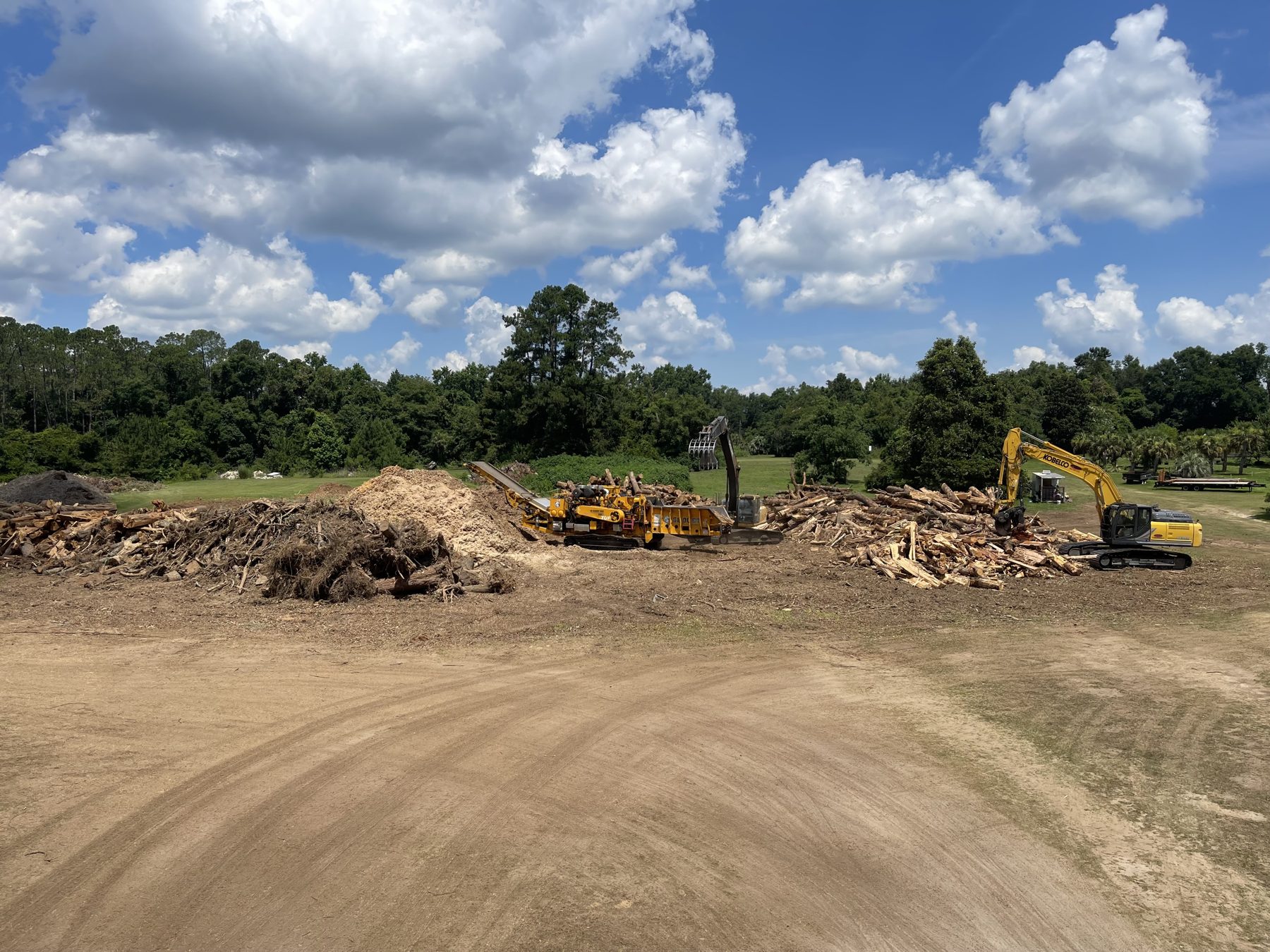
Grinders reduce woody debris at a temporary staging site. Volumes are recorded in and out.
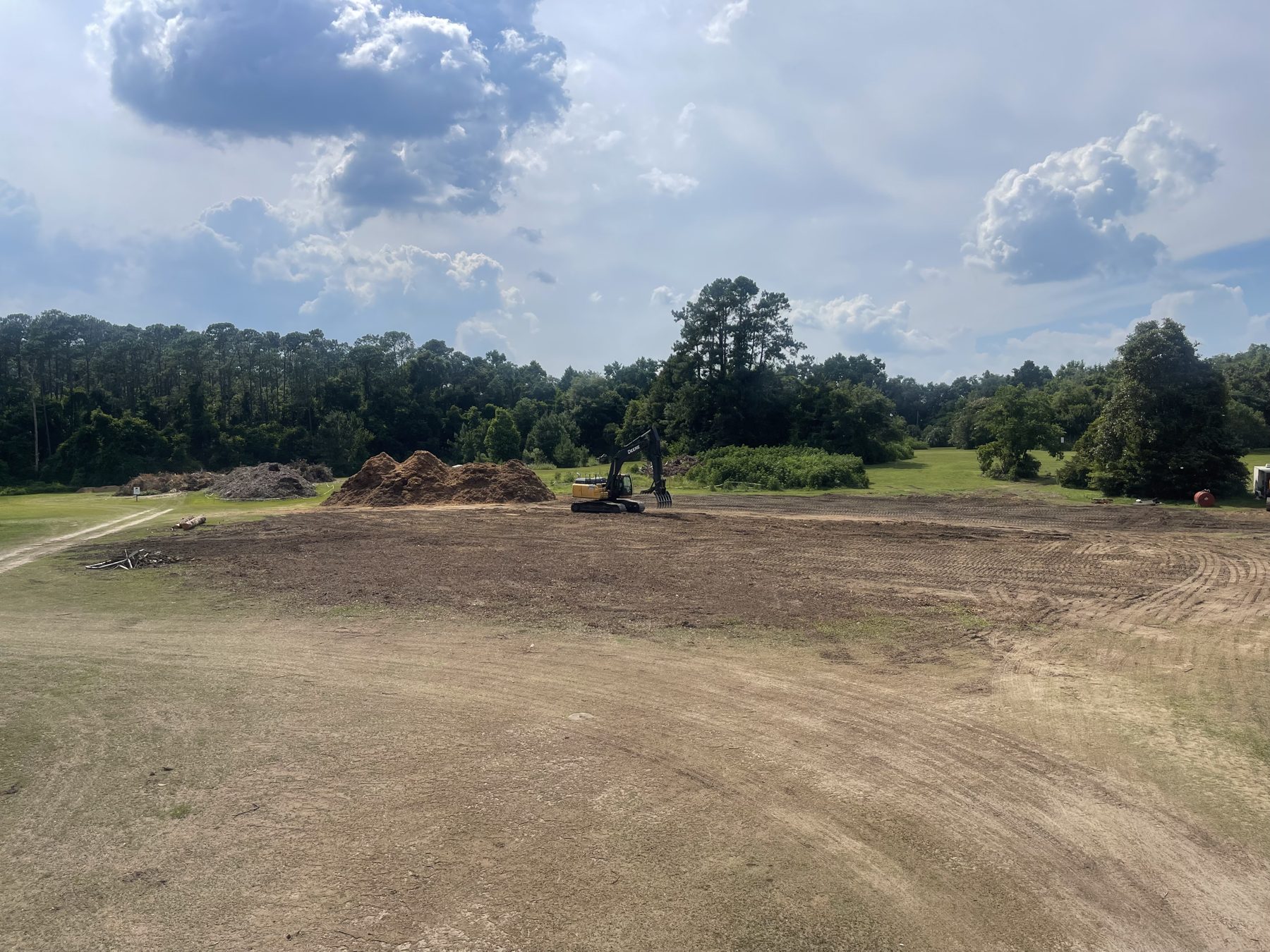
Site cleared and graded, with the load records ready for closeout.
Loads are measured and ticketed as they are lifted, and the monitor records what was picked up and where it went.
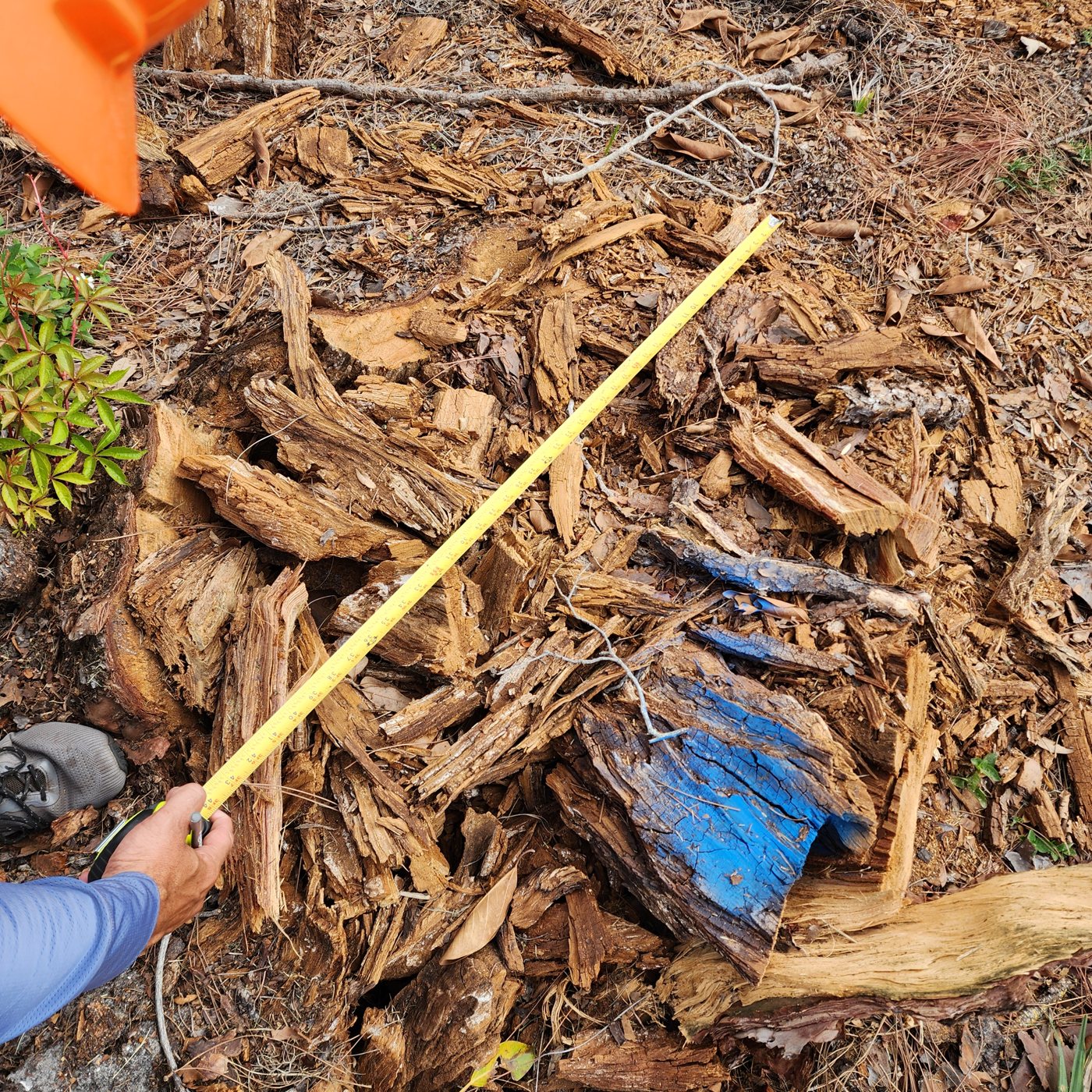
Monitors take measurements in the field so the quantities on the invoice can be checked against what was actually there.
Piles at the curb are logged by location before the trucks arrive, so each load ties back to where it came from.